Insider tips for removals at High Barnet tube station
If you are planning a move near High Barnet tube station, the job is usually less about brute force and more about timing, access, and a bit of local know-how. The right removals plan can save you from the usual headaches: awkward loading, parked-in streets, last-minute delays, and that familiar moment when a sofa refuses to fit through a doorway. These insider tips for removals at High Barnet tube station are written to help you move smarter, whether you are shifting a flat, a family home, or a small office. A calm move is possible. Honest.
In practice, the biggest wins come from thinking ahead about station traffic, road access, parking, and the order in which items leave the property. If you want a stronger moving plan, it can also help to look at broader removal services and the packing support available through packing and boxes. Little decisions add up quickly on moving day.
Table of Contents
- Why insider tips for removals at High Barnet tube station matters
- How removals at High Barnet tube station works
- Key benefits and practical advantages
- Who this is for and when it makes sense
- Step-by-step guidance
- Expert tips for better results
- Common mistakes to avoid
- Tools, resources and recommendations
- Law, compliance, standards, or best practice
- Options, methods, or comparison table
- Case study or real-world example
- Practical checklist
- Conclusion
- Frequently asked questions
Why insider tips for removals at High Barnet tube station matters
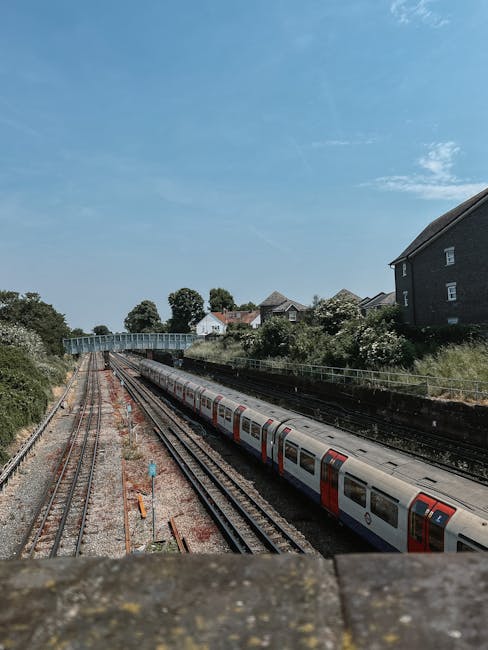
High Barnet station is useful, busy, and surrounded by the kind of everyday London conditions that can turn a straightforward move into a bit of a puzzle. Roads can be narrow, turning space can be limited, and station-adjacent areas tend to have movement at awkward times of day. If you arrive without a plan, you can burn time just waiting for a safe loading spot. And waiting is expensive, whether you are paying by the hour or simply losing your own energy.
The station location matters because removals are not just about the property you are leaving or entering. They are also about the route your vehicle takes, how long it can stay close to the door, and how cleanly your items can move from front room to van. That means the move needs to be thought through as a sequence, not a single event.
There is also the people factor. Neighbours, commuters, delivery traffic, and pedestrians all have to be considered. A move that blocks the pavement or causes repeated back-and-forth trips through a shared entrance can create friction. To be fair, nobody wants to start a new chapter by irritating half the street before lunch.
Expert summary: The most successful station-area removals are usually the ones that protect three things at once: access, timing, and packaging. If those are sorted, the rest becomes much easier.
How removals at High Barnet tube station works
In simple terms, the process is a coordination exercise. First you assess the property, then you decide what needs moving, then you match the vehicle and crew to the access conditions. After that comes the loading sequence, travel route, and unloading plan. That sounds basic, but a good mover does each part with the local environment in mind.
For example, a second-floor flat with a tight stairwell near the station is a different job from a ground-floor house with direct driveway access. Likewise, a student move with five boxes and a desk is very different from a family move with wardrobes, white goods, and outdoor furniture. The right method depends on volume, fragility, timing, and access.
If the move is time-sensitive, a service such as same-day removals may be useful, though only where the schedule and access conditions genuinely suit it. For larger household moves, home moves and house removals are usually more appropriate because they allow for a fuller plan and more careful handling.
When people say a move is "simple", they often mean it is simple only on paper. The reality is usually more like this: one box is missing tape, the wardrobe door sticks, someone cannot find the kettle, and the van is waiting. A good system prevents that sort of drift.
Key benefits and practical advantages
Good removals planning near High Barnet station gives you much more than convenience. It reduces stress, protects items, and keeps the day moving at a sane pace. That last part matters more than people admit. A move can feel endless when there is no structure.
- Less waiting time: If parking and loading are planned, the van can work efficiently instead of circling the area.
- Lower risk of damage: Clear packing and sensible lifting reduce bumps, scrapes, and rushed handling.
- Fewer delays: When access points and exit routes are known in advance, crews can move confidently.
- Better cost control: Time saved on site often means fewer avoidable costs, especially on hourly jobs.
- Smoother coordination: You know who is moving what, and in what order, which cuts down confusion.
There is another benefit that often gets overlooked: a well-run move feels emotionally easier. You can actually see progress. Boxes disappear, rooms clear, and by late afternoon you are not staring at a half-packed room wondering where the day went.
If you need specialist help for a smaller vehicle-based move, man and van or man with van options can be a sensible fit. They are often especially useful when the volume is modest but the access still needs careful handling.
Who this is for and when it makes sense
This kind of moving advice is useful for a broad mix of people. Not every move near a station is the same, but the local logistics problems rhyme with each other. If you recognise your situation below, the guidance here should help.
- Flat movers: Ideal if you are in a conversion flat, upper-floor apartment, or managed building with stairs or entry rules.
- Home movers: Helpful for families and homeowners who need to coordinate furniture, appliances, and multiple rooms.
- Students: Particularly relevant for smaller loads, short timelines, and moves that have to fit around term dates.
- Office movers: Useful if you are relocating a small workspace, studio, or practice space near the station.
- Anyone with awkward items: Pianos, heavy wardrobes, or delicate furniture need a bit more planning than people expect.
For a compact move with plenty of lifting but not much furniture volume, a removal van can be enough. For larger or more complex jobs, it may be better to consider a full removals service or even a vehicle-led option such as moving truck support.
Office relocations also have their own rhythm. If the move is business-critical and downtime matters, looking at office relocation services or office removals is usually the safer route. There is no prize for improvising a desk move at 8:30 on a Monday. Let's not do that.
Step-by-step guidance
Here is a practical way to approach removals near High Barnet tube station without making the day harder than it needs to be.
- Walk the route before moving day. Check the front door, stairwell, lift, driveway, pavement width, and any awkward corners. One short visit can save a lot of guesswork.
- Measure the bulky items. Sofas, beds, mattresses, wardrobes, white goods, and desks should all be measured. Do not rely on memory. Memory is charming, but not always accurate.
- Choose the right service level. A small flat move may suit flat removals, while a heavier household load may need house removalists or a broader moving plan.
- Pack room by room. Label boxes clearly and keep similar items together. That makes unloading much easier later.
- Prepare a parking and loading plan. Decide where the vehicle can stop safely, how long loading should take, and which entrance will be used.
- Separate essentials. Keep documents, chargers, tea-making supplies, medication, and first-night items accessible. The humble kettle often becomes the hero of move day.
- Protect fragile pieces early. Wrap glass, lamps, and screens properly. If in doubt, overprotect rather than underprotect.
- Load in the right order. Heavy, sturdy pieces go in first, then lighter items, then fragile boxes. Avoid random stacking. It looks fine until it does not.
- Do a final room sweep. Check cupboards, loft access, under beds, and behind doors. People leave things everywhere when they are tired.
- Confirm delivery priorities. Know which items must be unloaded first at the new property, especially beds, child essentials, and work equipment.
If your move is on a short timeline, storage can be a sensible halfway step. storage helps when completion dates shift or when you are moving in phases. Truth be told, phased moves are sometimes the most civilised option.
Expert tips for better results
A few details separate a manageable move from a messy one. These are the things experienced movers tend to look at instinctively.
1. Time the move to avoid local pressure points
Late morning or early afternoon often gives a little more breathing room than the sharp commuter edges of the day. That does not mean every street is quiet then, but it can reduce friction around the station area. If you can avoid the busiest drop-off and pick-up periods, do it.
2. Keep one person in charge of decisions
When everyone gives instructions, things get fuzzy fast. Pick one point of contact. They can answer the "where does this go?" questions and prevent circular conversations on the pavement.
3. Use the right protection for the right item
Blankets are not magic, and bubble wrap is not a cure-all. Large items need corner protection, mattresses need covers, and glass needs rigid support. It is a simple idea, yet it saves plenty of headaches.
4. Think about unloading before you leave the old place
People often focus so much on getting out that they forget the arrival sequence. If the bed goes in first, and the fridge second, you will feel the benefit that evening. Small thing, huge difference.
5. Check whether specialist handling is needed
Heavy, awkward, or high-value items should not be treated like standard boxes. A piano removals service, for instance, exists because a piano is not just "a heavy thing". It is a heavy, delicate, expensive thing with opinions.
For genuinely awkward or bulky furniture, consider whether furniture removals or even a dedicated furniture pick up arrangement fits better than forcing everything into one generic move. Matching the method to the item is a quiet kind of wisdom.
Common mistakes to avoid
Most moving problems are predictable. That is the frustrating bit. The good news is that predictable problems can be avoided.
- Leaving packing too late: Last-minute packing leads to poor labelling, weak boxes, and forgotten items.
- Ignoring access constraints: If a van cannot safely stop near the door, your whole schedule can slip.
- Underestimating item volume: Two rooms of stuff can fill a van faster than people expect.
- Forgetting about building rules: Some properties have booking windows, lift restrictions, or quiet-hour expectations.
- Overfilling boxes: Heavy boxes are harder to carry and more likely to split.
- Not clearing the route: Loose rugs, trailing cables, and clutter can slow everyone down and create avoidable risk.
- Failing to protect entry points: Hallways and door frames take a lot of accidental knocks on moving day.
There is also the "I'll just sort it when we get there" mistake. That one sounds harmless. It rarely is. A half-planned arrival is how boxes end up in the wrong room and somebody's coat disappears into a mountain of bedding.
Tools, resources and recommendations
You do not need a van full of fancy equipment to move well, but a few practical tools make a big difference.
- Strong cardboard boxes: Use good-quality boxes rather than old ones that have already been squashed once or twice.
- Packing tape and dispenser: Much faster, much neater, and less likely to fail.
- Labels and marker pens: Colour-coding by room can be very helpful.
- Blankets and covers: Good for protecting furniture, doors, and fragile surfaces.
- Trolley or sack truck: Helpful for heavier items where access allows it.
- Stretch wrap: Useful for drawers, upholstered items, and keeping parts together.
If you want help with the packing side of things, packing and unpacking services can take some of the pressure off, especially if you are working full time or moving with children around. A service like man with a van can also be a practical option for smaller loads where speed and flexibility matter more than a full-scale moving crew.
Sometimes the best tool is simply a sensible box plan. It sounds unglamorous, I know. But the move where every box has a room label, a brief contents note, and a fragile marker is usually the move that finishes with fewer regrets.
Law, compliance, standards, or best practice
For removals in the UK, the exact legal and operational responsibilities will vary by job, property type, and the service you choose. That said, a few best-practice points are worth keeping in mind.
First, any mover should handle items carefully and use safe lifting practices. That includes sensible teamwork, avoiding overloaded boxes, and taking extra care on stairs and narrow landings. A good mover should also be clear about how goods are handled, what is covered, and what the customer needs to prepare in advance. If you are comparing providers, reviewing health and safety policy, insurance and safety, and terms and conditions can give you a much better sense of how seriously the business treats its responsibilities.
Second, data and payment handling matter too. If you are sharing personal details, look at a company's privacy policy and payment and security information. These pages do not move your sofa, but they do tell you a lot about professionalism.
Third, if you are disposing of items during the move, it helps to choose recycling or re-use where practical. Using recycling and sustainability guidance is a sensible way to reduce waste, especially when clearing out furniture, old fittings, or duplicate household items.
Last, commercial moves and office relocations may require extra care because of IT equipment, confidential paperwork, and business downtime. In those cases, commercial moves or office removals are more appropriate than a generic one-size-fits-all approach.
Options, methods, or comparison table
Choosing the right moving method near High Barnet station is mostly about matching size, speed, and complexity. Here is a simple comparison.
| Option | Best for | Strengths | Watch-outs |
|---|---|---|---|
| Man and van | Small to medium loads | Flexible, quick, often cost-effective | Can be tight on space for larger homes |
| Removal van | Compact domestic moves | Practical for local transport and short trips | May need more careful load planning |
| Full removals service | Larger or more complex moves | More support with packing, lifting, and coordination | Usually higher overall cost |
| Same-day removals | Urgent or unexpected moves | Fast response, useful in tight situations | Less flexibility if access is difficult |
| Storage plus move | Staged or delayed completion | Helpful when dates do not line up neatly | Needs extra planning and double handling |
If you are unsure which route to take, start with the actual load rather than the wishful version of the load. People often imagine "just a few things" and then discover three bookcases, a chest freezer, and a box of cables from the year 2014.
Case study or real-world example
A typical High Barnet move might look like this: a one-bedroom flat a short walk from the station, a narrow stairwell, and a couple of bulky items including a bed frame, a sofa, and a desk. The resident wants to move before the weekend and needs to avoid disrupting neighbours. Nothing dramatic, just a normal urban move with a few friction points.
The successful version starts the day before. Boxes are labelled by room, the bed is dismantled, the route from flat to van is cleared, and the mover knows exactly which items need extra care. The vehicle arrives at a time that avoids the busiest local pressure, loading is done in a clear order, and the flat is checked one final time before leaving.
The difference is not magic. It is structure. The move finishes with less stress, the resident knows where the essentials are, and the unloading at the new property is quick enough that the kettle can be on before the first deep sigh of relief. That matters more than people think.
Practical checklist
Use this checklist the day before and on the morning of the move.
- Confirm the moving time and access details.
- Measure any bulky furniture and doorways.
- Label all boxes by room and priority.
- Separate documents, chargers, keys, and valuables.
- Disconnect appliances safely where needed.
- Protect furniture, mirrors, and fragile items.
- Clear halls, stairs, and entrances.
- Arrange parking or loading space if possible.
- Keep a first-night essentials bag aside.
- Do a final sweep of every room, cupboard, and storage space.
Quick tip: put the kettle, mugs, tea, and a phone charger in one clearly marked box. It sounds trivial, but it is often the first box everyone wants.
Get a free quote today and see how much you can save.
Conclusion
Insider tips for removals at High Barnet tube station are really about one thing: turning a potentially chaotic day into a controlled one. Once you think about access, timing, packing, and vehicle choice together, the move becomes much easier to manage. You do not need perfection. You just need a plan that fits the local reality.
Whether you are moving a flat, a family home, or a business space, the most effective approach is usually the one that respects the station area, protects your belongings, and keeps the day moving at a steady pace. A little preparation goes a long way. And if you get the basics right, the whole thing tends to feel far less daunting than it looked the night before.
Take your time, trust the plan, and keep the essentials close. That is usually enough to make a moving day feel a lot more human.
Frequently Asked Questions
What is the best time for removals near High Barnet tube station?
The best time is usually when local traffic and commuter pressure are lower, often outside the obvious rush periods. That said, the exact window depends on your building access, parking situation, and how much needs moving. A quieter slot can make a very real difference.
Do I need a full removals service or just a man and van?
It depends on the load. If you are moving a few rooms or a small flat, a flexible vehicle-based option may be enough. For larger homes, awkward furniture, or moves with multiple stops, a fuller removals service is usually safer and less stressful.
How far in advance should I book?
As early as you reasonably can, especially if your move is near a busy station area or tied to a completion date. Leaving it late narrows your options and can make the whole day feel rushed.
What should I do if parking is difficult near the station?
Plan the loading point before moving day and make sure the vehicle can stop safely without blocking traffic or footpaths. If parking is unpredictable, tell the mover in advance so the job can be scheduled realistically.
Are flat removals harder than house removals?
They can be, mainly because stairs, lifts, and shared entrances add friction. A house may have more furniture, but a flat often has tighter access. So yes, the access can make the flat move the trickier one.
Can I move on the same day if something changes suddenly?
Sometimes, yes, if the mover has capacity and the access conditions are workable. Same-day removals can be useful for last-minute changes, but they are best treated as a practical fallback rather than a default plan.
How do I protect fragile items properly?
Use strong boxes, wrap items individually, fill empty space so things do not shift, and mark the boxes clearly. Do not overload a fragile box just because it still closes. That way lies regret.
What if I need storage between moving dates?
Storage is a sensible option when dates do not line up neatly or when you are moving in stages. It can reduce pressure if your new home is not ready for everything at once.
Is it worth using packing help?
For busy households, yes, it often is. Packing takes longer than people expect, and professional help can reduce damage and save a lot of late-night box panic.
What should I ask a removals company before booking?
Ask about access experience, insurance, safety processes, payment arrangements, and what is included in the quote. If you are comparing providers, reading the company's policy pages is a sensible habit.
Can removals near a tube station cause disruption to neighbours?
They can if loading is messy or the vehicle blocks access. Good planning, clear communication, and a tidy loading process help keep disruption down. It is a small bit of courtesy, but it goes a long way.
What is the biggest mistake people make on moving day?
Usually it is underestimating how much time access and loading will take. Packing may be finished, but if the route is awkward or the van cannot park close enough, the day slows down quickly. Planning for that early is the real win.